An Extra Plate at the Table: Recovering the Lost Art of Radical Welcome
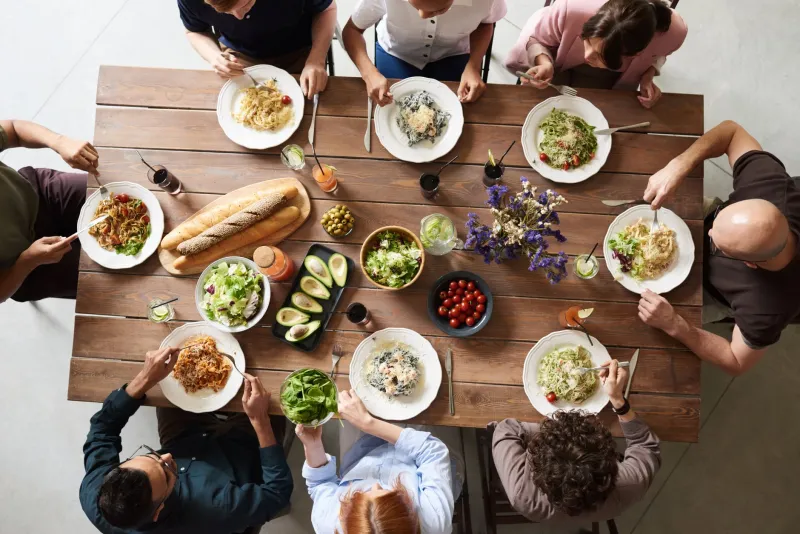
The early church owned no cathedrals. It had no pulpits, no sound systems, no denominational headquarters. What it had was a table — and an astonishing habit of keeping an extra seat open.
Luke records that the first believers in Jerusalem "broke bread in their homes and ate together with glad and sincere hearts" (Acts 2:46). Before the gospel was argued in synagogues or preached in public squares, it was tasted. Strangers became family over shared loaves. The Roman world took notice, and the faith spread not through persuasion alone but through the disarming power of being welcomed.
The Meal That Started It All
It is worth remembering that Jesus left His followers not a book of policies but a supper. On the night of His betrayal, He gathered His disciples around a table — knowing every flaw in the room, every denial about to be spoken, every argument over who was greatest — and He served them.
That is the scandal of biblical hospitality. It is not entertaining people who impress us. It is feeding people who may disappoint us. The Greek word often translated "hospitality," philoxenia, literally means love of the stranger. It is the opposite of the instinct that guards our comfort and curates our company.
An Epidemic of Empty Chairs
Surgeon General Vivek Murthy has called loneliness a public health crisis in America, and the data backs him up. Surveys suggest that a majority of adults report feeling lonely on a regular basis. Neighbors go months without a conversation. Family members text from separate rooms. We are the most connected generation in history and, by many measures, the most isolated.
Into this landscape, the church holds something the culture cannot manufacture: a theology of welcome. The gospel does not merely inform us that God is gracious — it sets a table and invites us to taste it. "I have prepared my dinner," the Master says in Christ's parable. "Come."
And yet many American congregations have quietly outsourced hospitality. We pay for programs while the casserole dish gathers dust. We post welcome signs while our weeknight calendars stay sealed. The early church turned the empire upside down with something we now consider a hobby.
Grace You Can Taste
Here is the quiet genius of hospitality as a spiritual discipline: it makes grace tangible. Doctrines can be debated. Invitations to dinner rarely are. When a young single mother in Tulsa finds a seat saved for her at a church potluck, or a retired widower in Ohio gets a Tuesday-night phone call asking him to bring his cornbread, something is preached that no sermon can quite reach.
This is especially urgent in a polarized age. The American dinner table has become a casualty of politics — families avoiding Thanksgiving, neighbors avoiding eye contact. But the table of Christ was never reserved for those who voted correctly. Jesus ate with tax collectors and Zealots, with Pharisees and prostitutes, sometimes in the same evening. Radical welcome is not an endorsement of every opinion; it is a declaration that every person is worth the cost of the meal.
Practicing the Ordinary Miracle
Recovering this language of grace does not require a building campaign or a ministry budget. It requires intention, and perhaps a second trip to the grocery store.
Start embarrassingly small. One extra plate. One pot of soup. Hospitality that waits for perfect conditions never begins.
Keep the threshold low. Paper plates and frozen pie are not failures. The early church did not break bread because of the cuisine; it broke bread because of the welcome.
Invite the awkward guest. The new hire, the estranged cousin, the neighbor whose dog you tolerate — these are the philoxenia appointments, the strangers we are commanded to love.
Make it rhythm, not event. A standing Sunday meal or a monthly open house turns hospitality from performance into culture.
Expect to be changed. Everyone who has practiced radical welcome has a story about the guest who arrived a stranger and left a friend — or the family member whose hard heart softened over months of shared meals.
The Table Still Stands
The writer of Hebrews urges believers not to forget to entertain strangers, "for by so doing some have unwittingly entertained angels" (Hebrews 13:2). One suspects the greater miracle is not the angels but the strangers — the image-bearers who discover, over a modest meal in a modest home, that they are seen, valued, and loved.
Grace has many languages: Scripture, prayer, song, service. But perhaps its most overlooked dialect is the scrape of a chair pulled out for someone else. The table Jesus kept setting, He now asks us to set. The chairs are waiting. The extra plate costs so little.
And the loneliness of a whole neighborhood may turn on whether someone, finally, invites it in.